
21st Oct 2026
Increase in Sooty Bark observations
Over the last five months, we have received 70 reports of suspected Sooty Bark Disease (Cryptostroma corticale) affecting sycamore trees compared to only 16 reports during the same reporting period last year. This disease is responsible for the killing of maple (Acer) and in particular sycamore (Acer pseudoplatanus). There is a human health risk as the spores of Cryptostroma corticale are allergenic and can cause health problems if inhaled.
This isn't entirely unexpected. Sooty Bark Disease is associated with periods of prolonged high temperatures and is often first noticed after hot weather in the years proceeding (as seen in the hot summers of 1975, 2017 and 2018) when temperatures have exceeded an average of 25°C for an extended period of time. High temperatures and drought weaken the tree and seem to enable Cryptostroma to switch from an endophyte to a pathogen. It is then able to grow radially and expands out from the column of colonised wood, when extensive black sooty patches become visible beneath the bark of affected trees.
While the disease may be prevalent in your area and you don't feel the need to report this through TreeAlert, we are keen to record cases of the disease to track whether its geographical distribution and/or incidence is increasing. Originally found in London, reports of the disease have now been received from across the southwest of England as well as from further north where the temperatures would historically have been too low.
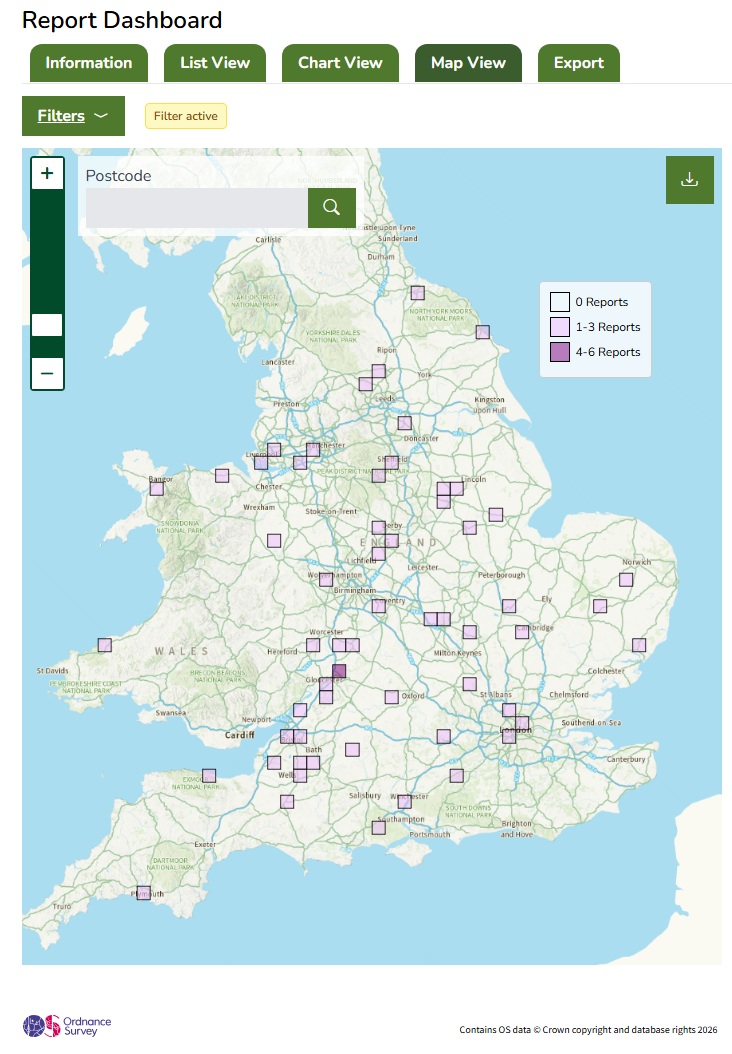
TreeAlert report dashboard showing reports of Cryptostroma corticale since 1st April 2026.
The symptoms are visible at this time of year, so now is a good opportunity to check sycamore trees and report any suspected cases. Key symptoms to look out for include:
- Crown dieback and leaf wilting
- Tree decline, particularly following periods of drought or heat stress
- Bark shedding from the trunk and larger branches
- Black, soot-like spore masses beneath peeling or cracked bark
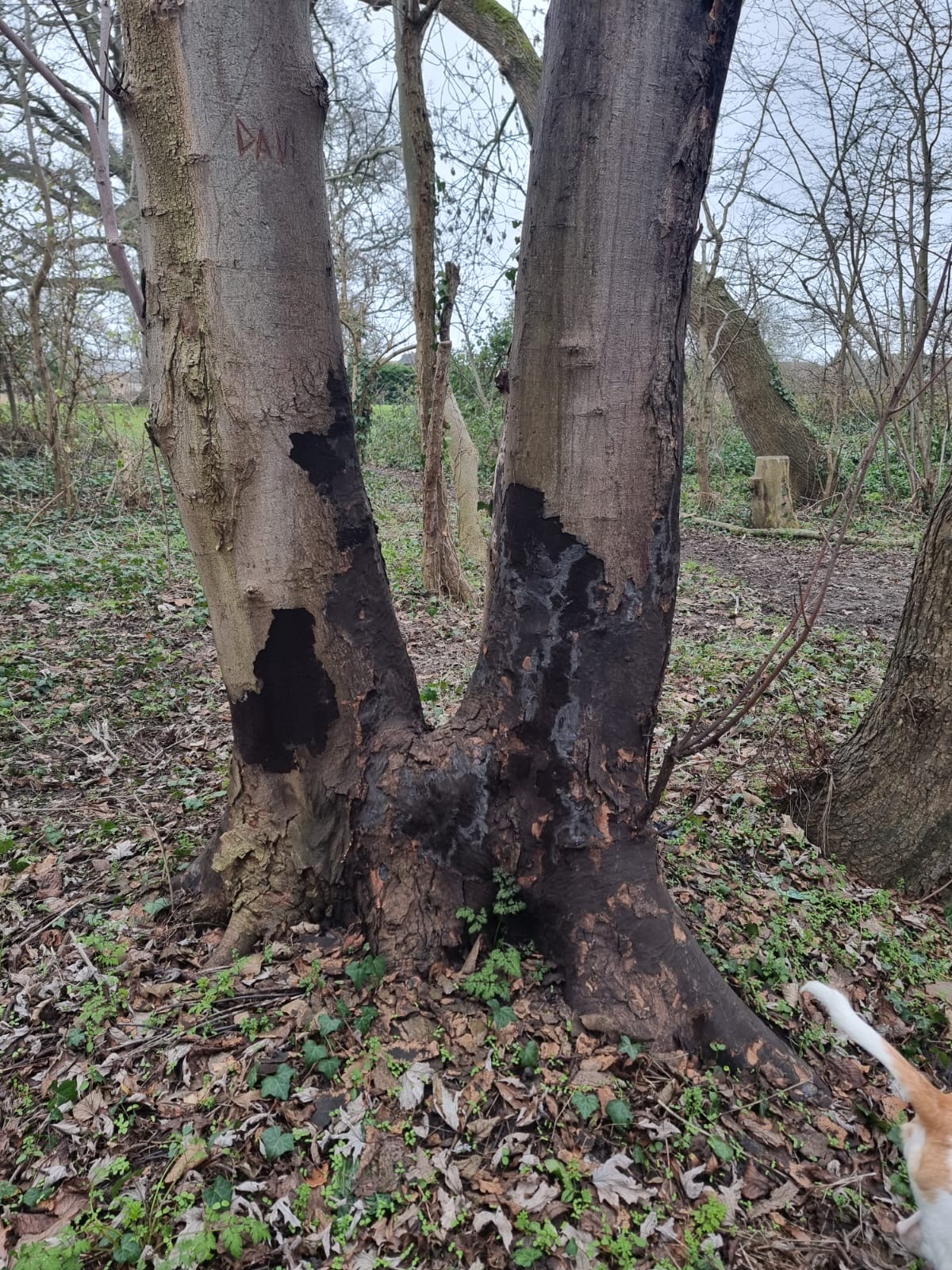
Dead sycamore where bark has detached at base revealing black spore masses.
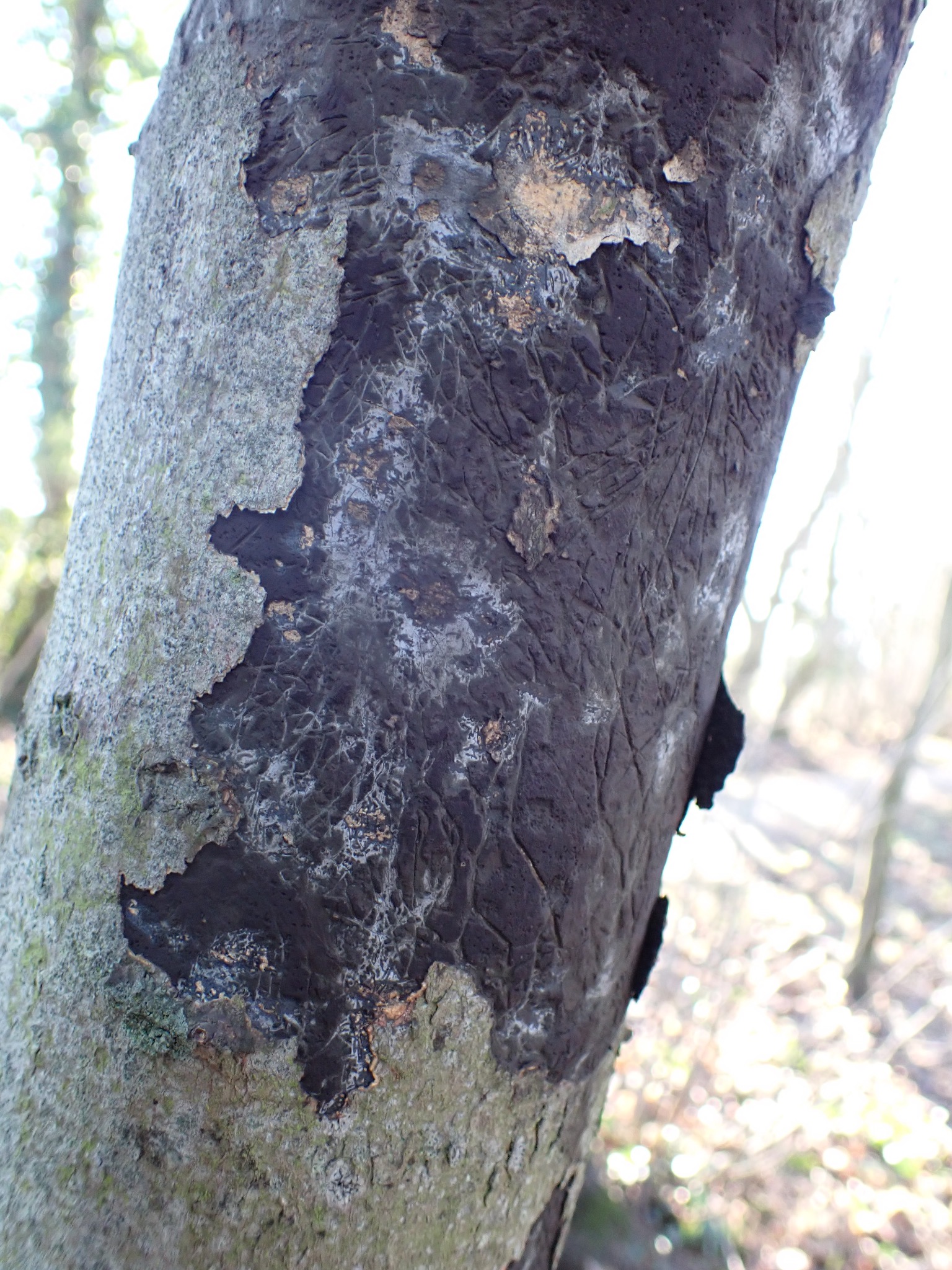
Tree where bark has fallen away revealing black spore masses. Silvered areas are potentially where all spores have been released.
The information submitted through TreeAlert plays an important role in tree health monitoring and surveillance, contributes to ongoing scientific research, and statutory phytosanitary health activities.
If you suspect Sooty Bark Disease, please submit a report through TreeAlert. Every report helps build a clearer picture of the disease's spread and impact across GB.